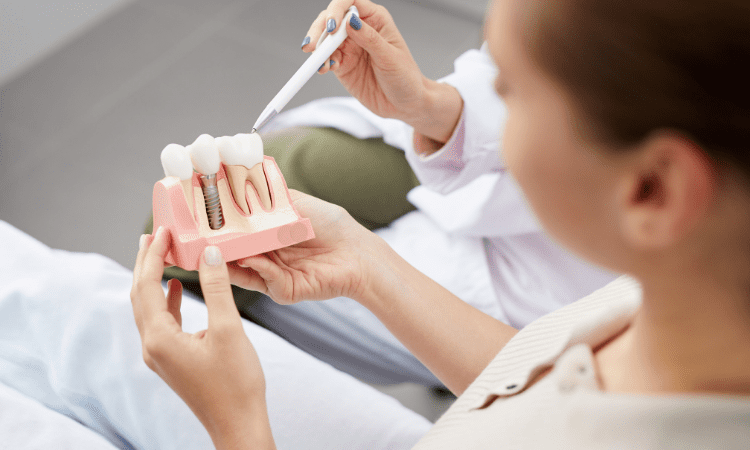
Dental implants have revolutionized modern dentistry, offering patients a durable and natural-looking solution for missing teeth. However, the success of a dental implant doesn’t end once it is placed. Proper aftercare is essential to ensure the implant integrates well with the jawbone, remains healthy, and provides long-lasting results. Understanding the necessary steps for post-implant care can make the difference between a smooth recovery and potential complications.
Immediate Post-Operative Care
The first 24 to 48 hours after receiving a dental implant are crucial. During this period, patients should focus on managing discomfort and minimizing the risk of infection. Swelling and mild bleeding are normal after surgery, and applying a cold compress to the outside of the face can help reduce inflammation. Dentists typically recommend eating soft foods and avoiding hot beverages or anything that might irritate the surgical site. Maintaining gentle oral hygiene is important, but care must be taken not to disturb the implant area. Rinsing with a mild saline solution or an antimicrobial mouthwash can help keep the mouth clean without disrupting the healing process.
Pain management is another critical aspect of early aftercare. Over-the-counter pain relievers are usually sufficient, though in some cases, a dentist may prescribe stronger medication. Following the prescribed dosage and schedule is vital for comfort and healing. Patients should also refrain from smoking and alcohol consumption, as these can impede tissue recovery and increase the risk of complications.
Oral Hygiene and Maintenance
Once the initial healing period has passed, maintaining excellent oral hygiene becomes the cornerstone of long-term implant success. Brushing twice daily using a soft-bristled toothbrush helps prevent plaque buildup around the implant, while flossing or using interdental brushes can reach areas between teeth that are otherwise difficult to clean. Special care should be taken around the gumline near the implant to avoid irritation.
Routine dental check-ups are equally important. Professional cleanings and examinations allow the dentist to monitor the implant and surrounding tissues for signs of infection, bone loss, or other issues. Early detection of any problems can prevent more serious complications and ensure the longevity of the implant. Patients with a history of periodontal disease or other oral health concerns should be especially vigilant, as these conditions can increase the risk of implant failure.
Diet and Lifestyle Considerations
Diet plays an often-overlooked role in dental implant aftercare. During the initial recovery, sticking to soft foods like yogurt, soup, and mashed vegetables helps protect the surgical site. Once healing progresses, a balanced diet rich in vitamins and minerals supports overall oral health. Foods high in calcium and vitamin D, for example, can strengthen the jawbone and promote integration of the implant.
Lifestyle choices also impact the success of dental implants. Smoking, for instance, significantly increases the risk of implant failure by reducing blood flow to the gums and slowing the healing process. Limiting alcohol and avoiding excessive stress on the implant site, such as chewing hard candies or using teeth as tools, further supports long-term stability.
Recognizing Warning Signs
While most dental implants heal without complication, patients should remain aware of potential warning signs. Persistent pain, unusual swelling, or mobility of the implant may indicate infection or improper integration with the bone. Any bleeding that doesn’t subside, pus around the implant, or changes in gum color warrants prompt attention from a dental professional. Early intervention is key to preserving the implant and preventing more extensive procedures.
Dental Implants in Los Altos, CA
Dr. Ken Schweifler is dedicated to helping his patients maintain their oral health. A missing tooth can lead to worsening dental conditions. But a dental implant could restore your bite and improve your quality of life. Contact Dr. Schweifler today to schedule a consultation and learn more about your treatment options for tooth loss.